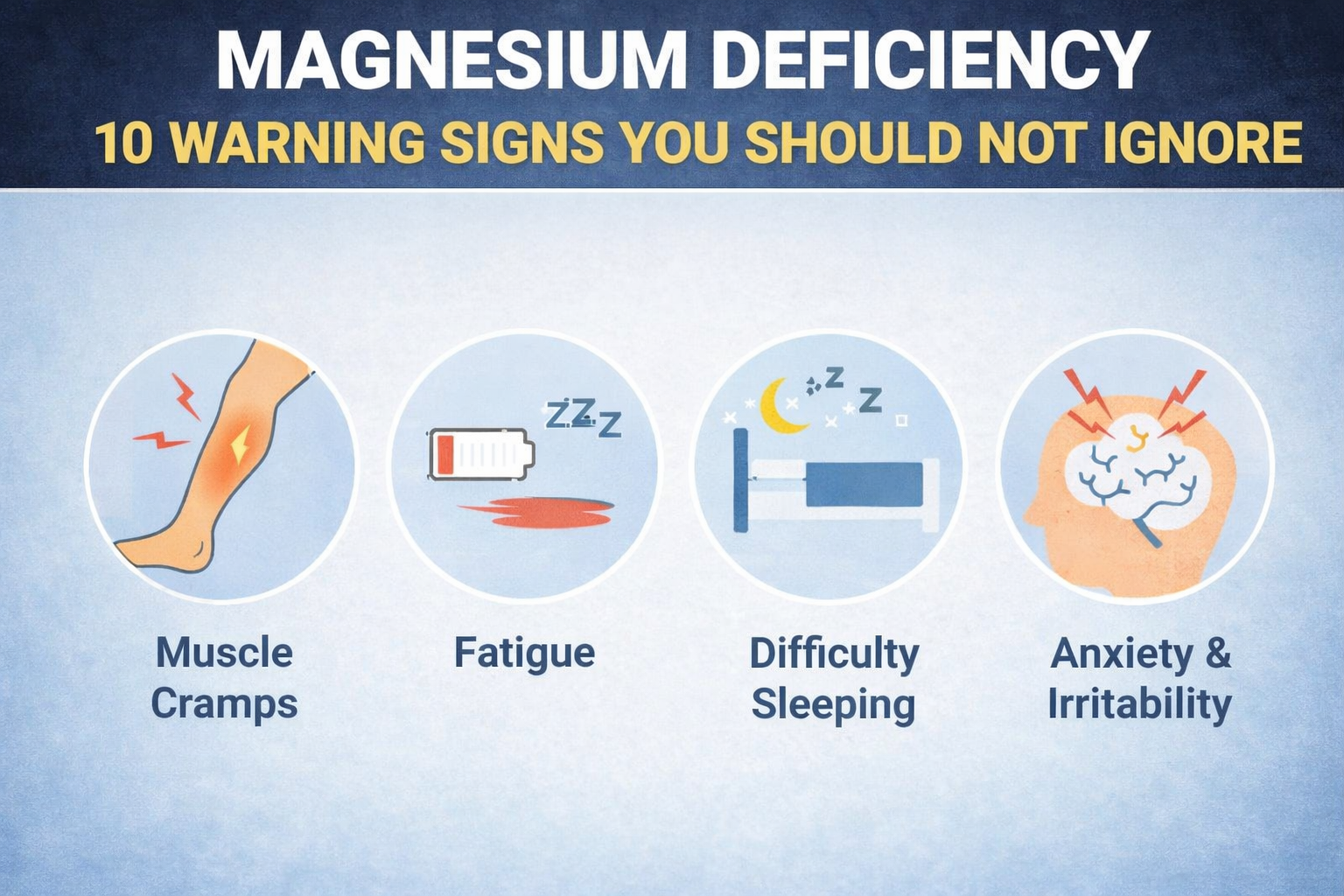
Magnesium deficiency is one of the most overlooked nutritional problems, yet many people experience magnesium deficiency symptoms without realizing the cause. Low magnesium symptoms can affect sleep, energy levels, and muscle function, often leading to long-term health issues if ignored.
Because magnesium plays a role in over 300 biochemical processes, even a mild deficiency can lead to noticeable health issues. Understanding the warning signs of magnesium deficiency is essential if you want to address the root cause rather than just treating symptoms.
What Is Magnesium Deficiency?
Magnesium deficiency occurs when the body does not have enough magnesium to support normal biological functions. This can result from low dietary intake, poor absorption, or increased loss due to stress or certain health conditions.
Modern diets often lack magnesium due to processed foods and soil depletion, making deficiency more common than expected.
Understanding magnesium deficiency causes is important for identifying why levels drop and how to prevent future problems.
10 Warning Signs of Magnesium Deficiency
- 1. Muscle Cramps and Spasms
One of the most common magnesium deficiency symptoms is muscle cramping. Magnesium helps regulate muscle contraction, and low levels can lead to involuntary spasms, especially at night.
These cramps are often confused with dehydration but may actually indicate a mineral imbalance.Muscle cramps are one of the most common magnesium deficiency symptoms and often appear early.
2. Fatigue and Low Energy
Magnesium is essential for energy production. Low magnesium levels can lead to persistent fatigue, weakness, and reduced physical performance.
If you feel tired despite adequate sleep, magnesium deficiency may be a contributing factor. Magnesium deficiency fatigue is often mistaken for general tiredness, but it may indicate a deeper nutritional imbalance.
3. Difficulty Sleeping
Magnesium deficiency is closely linked to sleep problems. Low levels may increase nervous system activity, making it harder to relax and fall asleep. If you struggle with insomnia or poor sleep quality, read our guide on magnesium for sleep.
4. Anxiety and Irritability
Magnesium plays a role in regulating the nervous system and stress response. Low magnesium levels may contribute to anxiety, irritability, and mood swings. If stress and tension are major symptoms for you, read our guide on magnesium for anxiety.
5. Headaches and Migraines
Some studies suggest that magnesium deficiency may be linked to headaches and migraines. Magnesium helps regulate blood vessels and neurotransmitters, which may influence headache frequency.
6. Restless Legs and Night Discomfort
Restless legs syndrome and nighttime discomfort may be connected to low magnesium levels. This can interfere with sleep quality and lead to frequent awakenings.
7. Eye Twitching
Eyelid twitching is a common but often ignored sign of magnesium deficiency. It is usually harmless but may indicate increased nerve excitability.
8. Irregular Heart Rhythm
Magnesium supports normal heart rhythm. In more severe cases, deficiency may contribute to irregular heartbeat or palpitations.
9. Weak Bones
Magnesium plays a role in bone health alongside calcium and vitamin D. Low levels may negatively affect bone density over time.
10. Increased Stress Sensitivity
Magnesium helps regulate the body’s stress response. Low levels can make you more sensitive to stress and less able to recover from it.
What Causes Magnesium Deficiency?
Several factors can contribute to magnesium deficiency:
- poor diet
- high stress levels
- excessive caffeine or alcohol intake
- digestive disorders
- certain medications
Understanding the cause is important for long-term correction.
How to Test Magnesium Levels
If you suspect magnesium deficiency, laboratory testing can help confirm it.
Common tests include:
- serum magnesium
- RBC magnesium (more accurate for long-term status)
Laboratories such as Synevo and Dila offer these tests as part of standard panels. A magnesium deficiency test can help confirm whether symptoms are related to low magnesium levels.
How to Fix Magnesium Deficiency
Magnesium deficiency treatment usually involves dietary changes, supplementation, and addressing underlying causes. You can also review our list of the best magnesium supplements if you want to compare available options.
Improve Your Diet
Foods rich in magnesium include:
- leafy greens
- nuts and seeds
- whole grains
- legumes
Consider Supplements
Different forms of magnesium have different absorption rates and effects on the body. If you are not sure which form to choose, see our comparison of magnesium glycinate vs citrate.
Correct Dosage
The typical recommended intake ranges from 300 to 400 mg per day depending on age and sex. For a more detailed breakdown, read our magnesium dosage guide.
For a detailed guide, see how much magnesium should you take daily. Recognizing low magnesium symptoms early can prevent long-term health complications.
Who Is at Risk of Magnesium Deficiency?
Some groups are more likely to develop magnesium deficiency:
- people with high stress
- athletes
- older adults
- people with poor diets
- individuals with digestive disorders
People in high-risk groups often experience signs of magnesium deficiency without clear diagnosis.
The Bottom Line
Magnesium deficiency can affect multiple systems in the body, from sleep and energy to muscle function and mental health. Because symptoms are often subtle, many people do not realize they are deficient.
Recognizing the warning signs and addressing the root cause can significantly improve overall health. If symptoms persist, laboratory testing and proper supplementation may help restore optimal magnesium levels.
FAQ
What are the first signs of magnesium deficiency?
Early magnesium deficiency symptoms often include fatigue, muscle cramps, irritability, and difficulty sleeping. These signs may appear gradually and are often overlooked. Because magnesium affects the nervous system and muscle function, even a mild deficiency can cause noticeable discomfort. Identifying these symptoms early can help prevent more serious health issues.
Can magnesium deficiency cause insomnia?
Yes, magnesium deficiency can contribute to insomnia and poor sleep quality. Low magnesium levels may increase nervous system activity, making it harder to relax and fall asleep. Magnesium is involved in regulating neurotransmitters that promote sleep. Addressing deficiency may improve sleep in some individuals.
How long does it take to fix magnesium deficiency?
The time required to correct magnesium deficiency depends on its severity and the method of treatment. Some people notice improvements within a few days, while others may need several weeks of consistent dietary changes or supplementation. Long-term deficiency may require ongoing management. Consistency is key to restoring normal levels.
What is the best way to increase magnesium levels?
The most effective way to increase magnesium levels is through a combination of diet and supplementation. Consuming magnesium-rich foods along with appropriate supplements can help restore balance. The right approach depends on the underlying cause of deficiency. In some cases, addressing lifestyle factors such as stress is also necessary.